4. Assay preparation
Planning
| When | What |
|---|---|
| 1–2 months ahead | Order consumables; set up and test the hardware |
| 3–4 weeks ahead | Make fly husbandry food |
| About 2 weeks ahead (optogenetics) | Make retinal food |
| 1 week ahead | Make assay food |
| On the day | About 15 min preparation, 30–60 min recording, 15 min cleanup per run |
Assay food
- Prepare a 1 % agarose solution for a standard FlyPad assay, or 2 % for a long-term FlyPad assay. To keep the agarose dissolved, use a water bath at 70 °C.
- Mix in the nutrients you are interested in.
- Aliquot the food into 1–2 mL tubes and store them at −20 °C.
Flies
- Use flies 3–7 days old; plan at least 20–25 flies per group.
- Keep them at 25 °C, 70 % RH, 12 h light/dark, and flip to fresh food every 3–5 days.
- No CO2 anaesthesia within 24 h of the assay. Move flies with an aspirator.
- Sex and starvation depend on your question and are not fixed by the protocol. If feeding is low, 2–4 h of dry starvation helps.
- For optogenetics, raise the flies on retinal food; see OptoPad.
On the day
1. Melt the food
Place the food tubes from the freezer in a heat block at 70 °C to melt the agarose gel.
2. Prepare the recording
Set up the Recording card in FlyPad Acquisition: the folder, conditions, labels and Stop after time. See Acquire. Start acquisition so you can watch the sensors while loading.
3. Load the food
Before loading the food, cover the FlyPad board at the bottom with a strip of masking tape. This makes pipetting easier and keeps male flies from escaping. Use tesa masking tape; avoid more expensive label tapes, as their glue can create artifacts in the recordings.
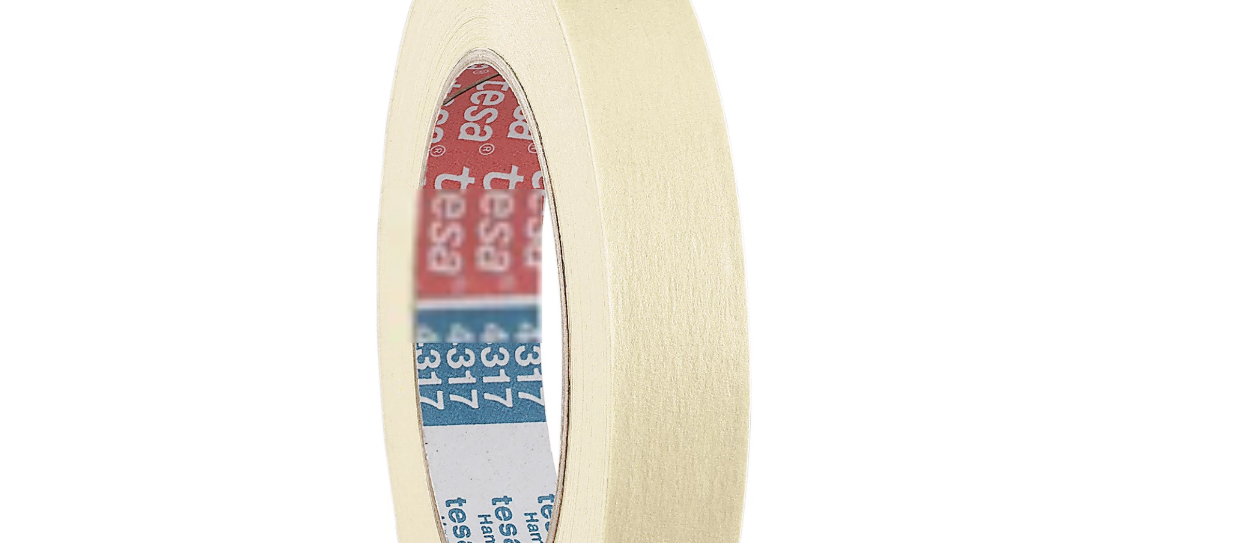
Using a repeating pipette:
- For a choice experiment, prepare as many tips as there are different foods. Fill the 50 µL tip of the repeating pipette with warm food and place 2 µL in each food well that should get that food. Be careful not to put in too much, and do not touch the top (gold) electrode with food: doing so makes the data unusable.
- Repeat for the other foods, each with its own tip.
Keep the food off the top electrode. Food on the electrode shorts the sensor: the trace goes flat and the channel is unusable. Wipe it off with lint-free tissue and re-load until the live trace responds normally.
- For assays of about 50 min, use a domed surface.
- For assays of 30 min or less, a flat fill is enough.
4. Load the flies
Aspirate one fly per chamber. Slide the lid partly open, blow the fly gently towards the back of the chamber, and close the lid at once.
5. Record
Keep under 10 minutes between loading the food and starting the recording. Click ● Start recording and leave the arenas in darkness. Assays work best at 30–60 minutes. With Stop after set, the recording ends on its own.
For several runs in one day, keep the food at 70 °C and avoid swapping the left/right foods between runs. It might sound like a good idea, but some foods leave residues that are very difficult to clean. Always use the same side for the same type of food. This is especially true for yeast: yeast volatiles are very hard to remove, can linger on the electrodes for days after the experiment and can significantly drive fly behaviour.
6. Clean up
- Push the food out of each well with a pipette tip or a wooden toothpick.
- Wipe the arenas with lint-free tissue lightly dampened with distilled water, including the underside, and let them dry completely.
- You can use ethanol on the board, but keep it off parts made of plastic: acrylic is not resistant to ethanol.
- If you use ethanol, dry the boards completely, as quickly as possible, with a paper towel.
Choosing groups and channels
Assign each experimental group (genotype, diet, LED on/off…) to a block of channels, for example group 1 on channels 1–48 and group 2 on channels 49–96. Enter these blocks as Conditions in the Recording card; they become part of the file name, and the analysis uses them. Alternate the group positions between runs to avoid position effects.